UX & Conversion 7 min read
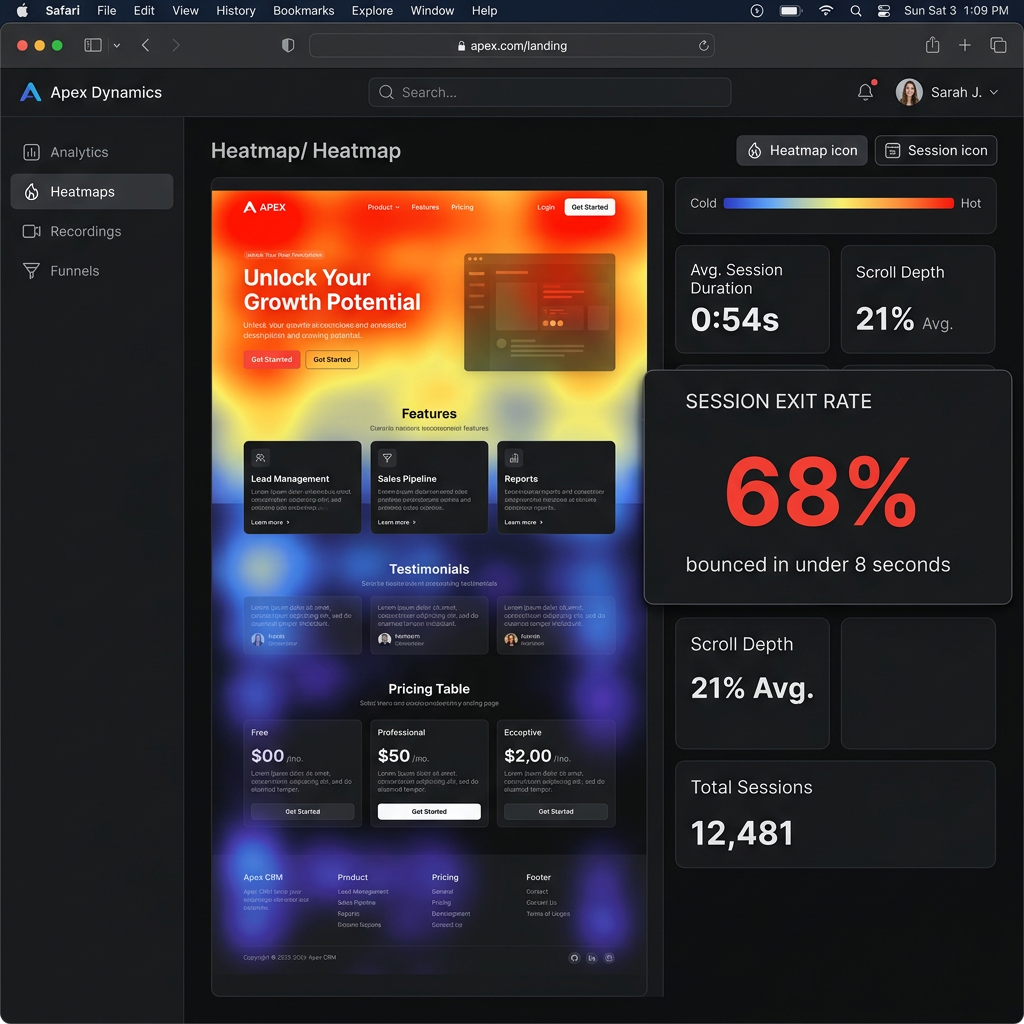
Users are leaving within 8 seconds
Getting traffic to your site is hard. Losing it is effortless. Most websites have invisible problems that push visitors away before they ever become customers.
Read article
Velrix is a website intelligence platform that analyses your pages to identify the areas most likely to create hesitation, reduce trust, or slow decision-making. Every insight is backed by visible evidence — not generic scores or guesses. When evidence is weak, Velrix refuses to guess. Enter any URL and find the highest-impact improvements — no account required.
Explore the most common issues costing websites customers — and see how to fix them.
Check your siteGetting traffic to your site is hard. Losing it is effortless. Most websites have invisible problems that push visitors away before they ever become customers.
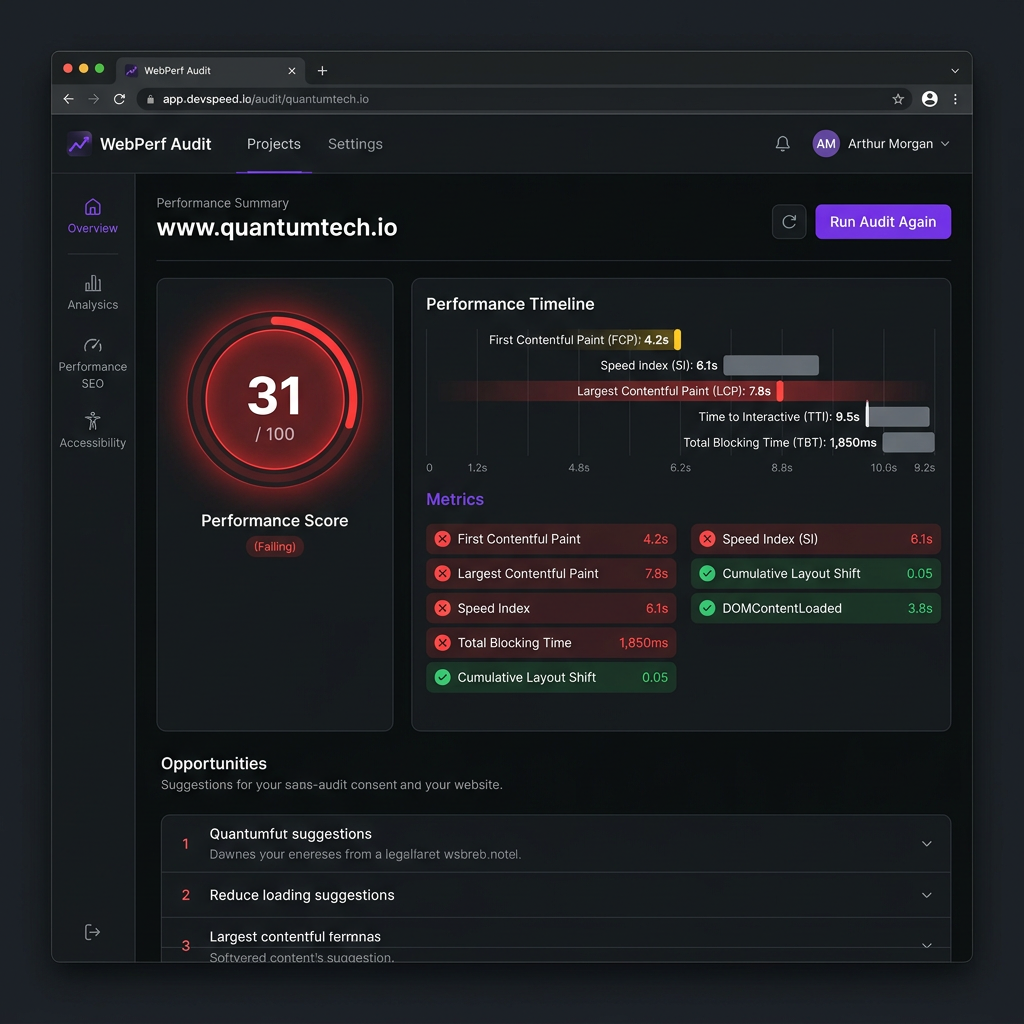
Page speed is one of those things everyone knows matters but few people understand. Here's a plain-English guide — no developer experience needed.
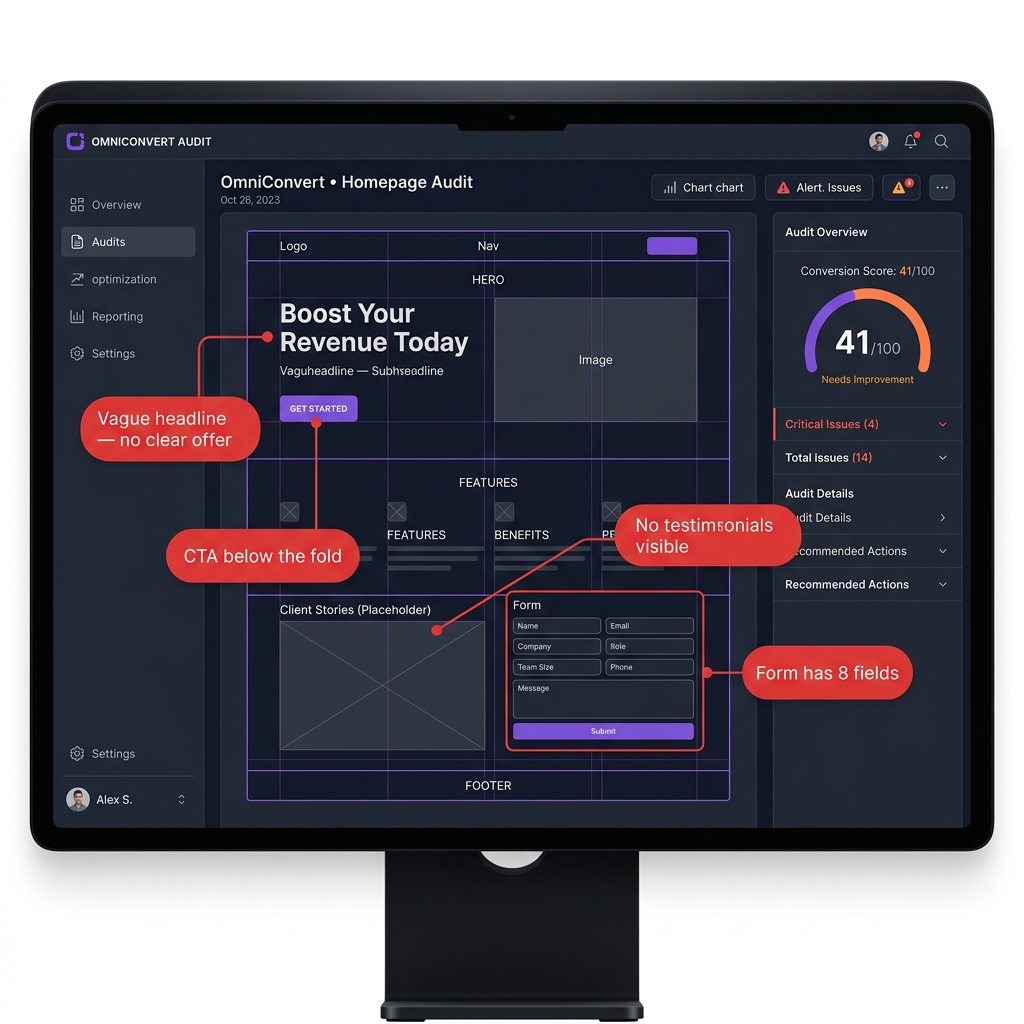
Traffic without conversions is just noise. Here's why most websites fail to turn visitors into leads — and what actually fixes it.
You've got a button. You've got a form. But nobody's clicking. The problem isn't that visitors aren't interested — it's that something about the CTA is stopping them.
You know your business inside out, so your site makes sense to you. But visitors arrive with no context — and if your site doesn't guide them, they leave.
You've built the page. You're sending traffic. But the conversions aren't coming. Here are the real reasons landing pages fail — and what to do about each one.
You know something isn't working — traffic is flat, enquiries are low, or you just have a nagging feeling. Most website problems fall into a handful of categories.
A high bounce rate means visitors are leaving without doing anything. Here's why it happens — and the specific things you can fix to keep people on the page.
A website audit is the fastest way to understand what's holding your site back. Here's what a proper audit checks — and why all three areas matter.
The systematic process of increasing the percentage of visitors who take a desired action. Learn the three pillars — clarity, trust, and friction — and how to fix each one.
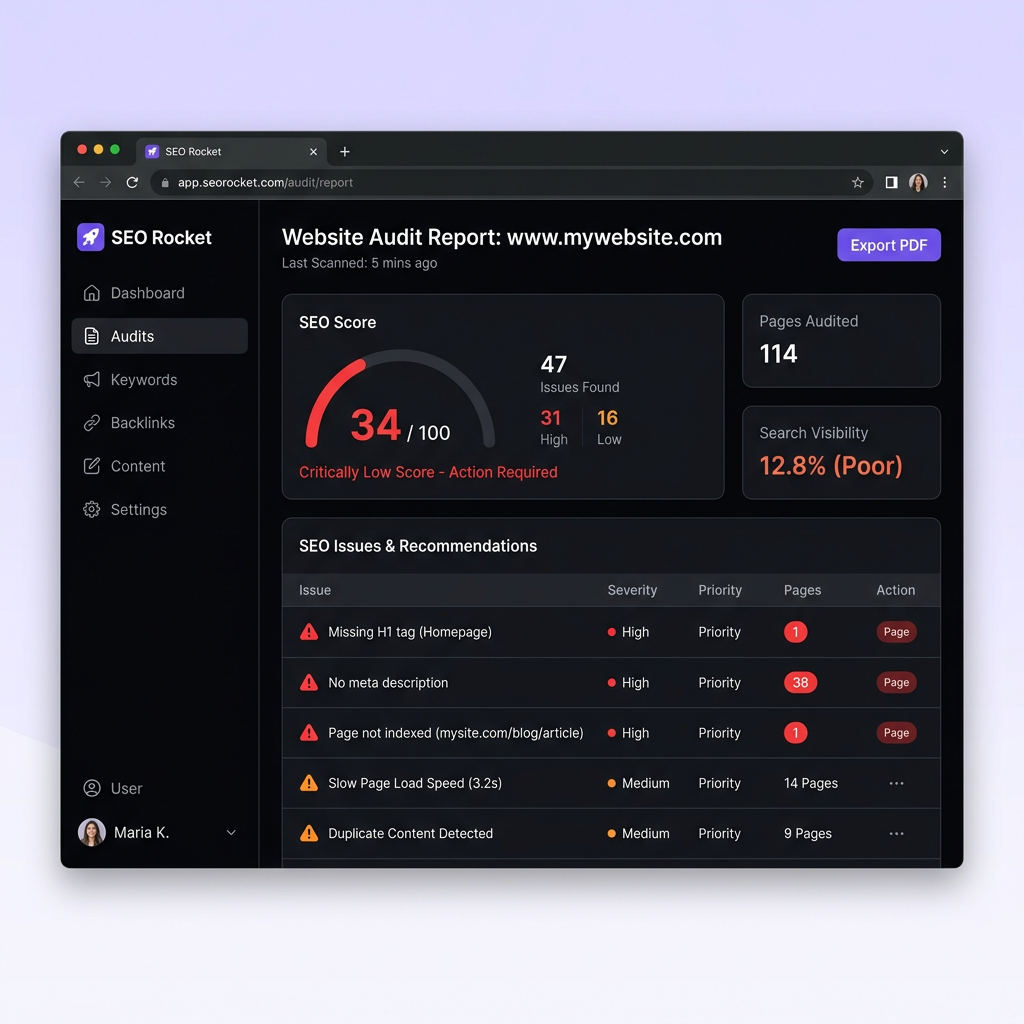
47 technical, on-page, and content SEO checks in plain English. Don't guess what's wrong — run a free automated audit and find every issue in 60 seconds.
The practices that consistently show up in our audit data as the highest-impact conversion issues — not generic lists, but the fixes that actually move the needle.
Accessibility isn't just compliance — it improves SEO, conversions, and user experience for everyone. Learn the most common issues and how to fix them.
Over 60% of traffic is mobile and Google uses mobile-first indexing. Check these specific mobile issues that hurt your SEO, conversions, and user experience.
LCP, INP, and CLS explained without developer jargon — what each metric measures, why it matters for rankings and conversions, and what to do about it.
The fixes that actually move the needle for online stores — product page clarity, checkout friction, trust signals, and page speed. Based on real audit data.
A website redesign is the most common way businesses accidentally destroy their SEO. This checklist ensures you preserve your rankings, traffic, and conversions.
Trust is the invisible barrier between your visitor and your conversion. Learn the specific trust signals that consistently drive conversions — and where to place them.
A website analysis tool scans your site and tells you what's working and what's not — across SEO, speed, and conversion. Here's what a proper analysis checks and how to run one free.
Page speed affects your SEO rankings, conversion rates, and user experience. Learn what to test, what scores to aim for, and what to fix when your site is slow.
A website grader gives you a score out of 100 — but a score without context is just a number. Learn how grading works and what a good score looks like.
A full diagnostic for your site — SEO, speed, conversion, and accessibility. Learn what a proper health check covers and how to run one for free.
Most 'free' audits aren't free — they require an email or a signup. A genuinely free audit should give you actionable results without asking for anything.
Usability testing reveals the gap between what you think your website does and what it actually does for visitors. Learn practical methods you can run yourself.
A UX audit examines your website through the eyes of your users and finds the specific moments where the experience breaks down — and costs you conversions.
The ongoing process of improving your site across SEO, speed, conversion, UX, and accessibility. Learn the full optimization framework and how to implement it.
The average website converts 2-3% of visitors. Improving your conversion rate doesn't require a redesign — it requires finding and fixing specific issues.
An SEO analysis examines your site to find the specific issues preventing it from ranking higher. Learn what a proper analysis checks and how to run one free.
The specific fixes that have the highest impact on page speed, in the order you should implement them. Plus a free performance audit.